
50 Thoughtful Gestures for Your Partner
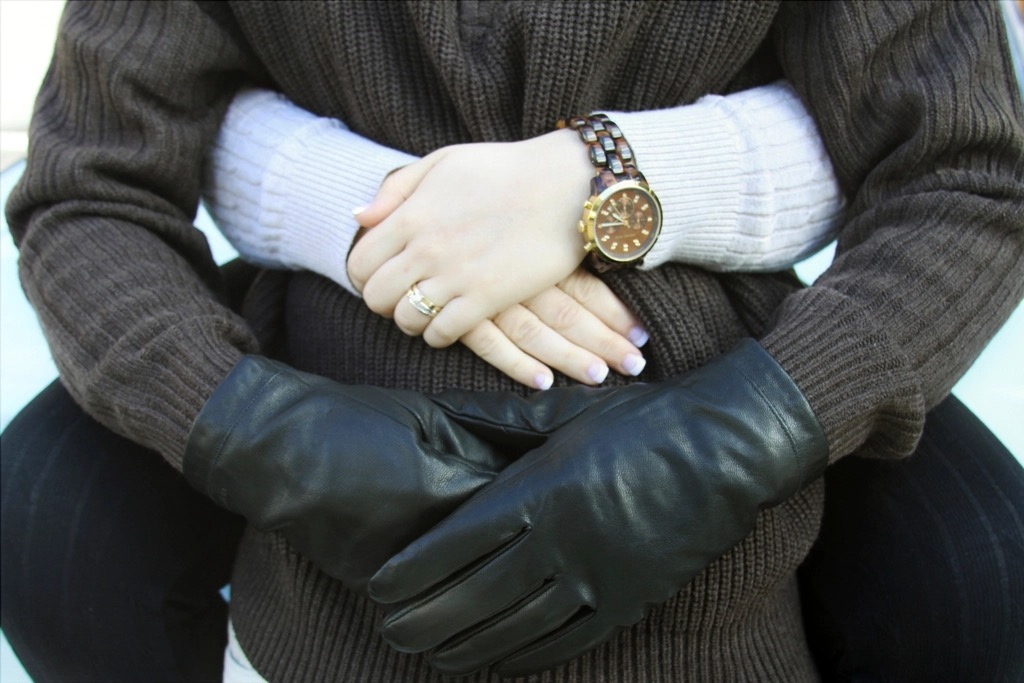
Relationship researchers who study long-term couples consistently find the same thing: it's not the big romantic gestures that predict whether a relationship lasts happily, it's the accumulation of small, ordinary moments of attention. Psychologist John Gottman calls these "bids for connection" — small attempts to get your partner's attention, affection, or support — and how consistently partners respond to them, over years, matters more than anniversaries or grand romantic surprises. Below are 50 small gestures, organized by type, that you can actually work into a normal week.
Acts of service
- Fill their car with gas before they notice it's low.
- Do the chore you know they hate most, without being asked.
- Bring them coffee or tea exactly the way they like it, unprompted.
- Handle a dreaded phone call or errand on their behalf.
- Set out their clothes or pack their bag for an early morning they're dreading.
- Take a task off their plate during a stressful week without announcing it as a favor.
- Charge their phone or laptop before they need it.
- Prep something for tomorrow (lunch, coffee, an outfit) the night before.
Words
- Tell them one specific thing you admired about how they handled something recently.
- Leave a short note somewhere they'll find it later in the day.
- Text them mid-day just to say you're thinking of them, no follow-up required.
- Compliment something that isn't about appearance — their patience, their humor, a decision they made.
- Bring up a memory you both share and tell them why it still matters to you.
- Tell them directly what you're grateful for about the relationship, not just about them.
- Defend them warmly to someone else, and mean it.
- Ask a real follow-up question about something they mentioned days ago, showing you remembered.
Time and attention
- Put your phone in another room during a conversation, on purpose.
- Ask about their day and actually stay on the topic instead of pivoting to yours.
- Sit with them while they do something they enjoy, even if it's not your thing.
- Take a walk together with no destination and no phones.
- Watch something they love that you normally wouldn't pick.
- Wake up a few minutes early just to talk before the day starts.
- Turn off screens for one meal a day and actually talk.
- Ask what kind of support they want before jumping to fix a problem.
Small gifts and surprises
- Pick up their favorite snack "for no reason" on a regular errand run.
- Save an article, meme, or video you know they'll specifically like and send it.
- Buy the flowers, even the grocery store bunch, without a special occasion.
- Write a short, real letter instead of a card with a printed sentiment.
- Frame a photo from a memory you both loved and put it somewhere visible.
- Learn to make their favorite drink or dish from scratch.
- Get them a small item related to a hobby they've mentioned wanting to try.
- Put together the Promptly Journals Love Story journal with a prompt already filled in for them to respond to — the built-in prompts mean you can hand it over half-started instead of a blank notebook that puts all the pressure on them to know what to write.
Physical affection and presence
- A longer-than-usual hug at a random moment in the day.
- Hold hands somewhere you normally wouldn't bother.
- Give a genuine, unhurried back or shoulder rub after a hard day.
- Sit closer than strictly necessary on the couch.
- Kiss them goodbye like you mean it, not on autopilot.
- Notice when they're tense and offer comfort before they ask.
Showing up during hard moments
- Remember the date of something hard they're facing (an appointment, an anniversary of a loss) without being reminded.
- Show up to something that matters to them even if you're tired or it's inconvenient.
- Ask "what do you need right now" instead of assuming.
- Sit with them in a bad mood without trying to talk them out of it immediately.
- Advocate for them when they're not in the room.
- Check in the next day after they mentioned something stressful, following up specifically.
Building a shared future
- Bring up a shared goal (a trip, a home project, a habit) and actually make progress on it together.
- Ask what they're looking forward to and help make it happen.
- Talk about a memory you want to make together this year, specifically.
- Revisit an old inside joke or tradition that's faded and bring it back.
- Ask what would make them feel more loved lately — directly, without assuming you already know.
- Say, plainly, that you're glad you chose each other. It matters more than it sounds like it should.
The pattern behind all fifty
None of these require money, and almost none require planning more than a few minutes ahead. What they have in common is that they signal attention: you noticed something specific about this person and acted on it, rather than defaulting to a generic gesture. That specificity is what separates a thoughtful gesture from a going-through-the-motions one, and it's also the easiest thing to let slip when life gets busy. Picking two or three from this list to build into an ordinary week is a more reliable relationship investment than waiting for the next big occasion to show up.
Frequently asked questions
Do thoughtful gestures actually matter more than big romantic gestures?
Relationship researchers like John Gottman have found that the accumulation of small, everyday "bids for connection" predicts long-term relationship satisfaction more reliably than grand gestures or big-occasion romance.
How many of these gestures should I try to do at once?
Start with two or three that feel natural to your relationship rather than attempting all fifty. Consistency with a handful of gestures beats a burst of effort that fades after a week.
What if my partner doesn't seem to notice my gestures?
Match the gesture to their love language rather than your own instincts. A partner who values quality time may not register a gift the way a words-of-affirmation partner would.
Can thoughtful gestures repair a relationship that's struggling?
They can help rebuild goodwill, but they're not a substitute for addressing a real underlying issue directly. Use gestures alongside honest conversation, not instead of it.
Do these gestures work for long relationships as well as new ones?
Yes, arguably more so. Novelty fades in long relationships, so the small, specific gestures that signal ongoing attention matter even more once the initial spark of a new relationship isn't doing that work for you.