
How to Plan a Birthday Your Partner Will Actually Remember
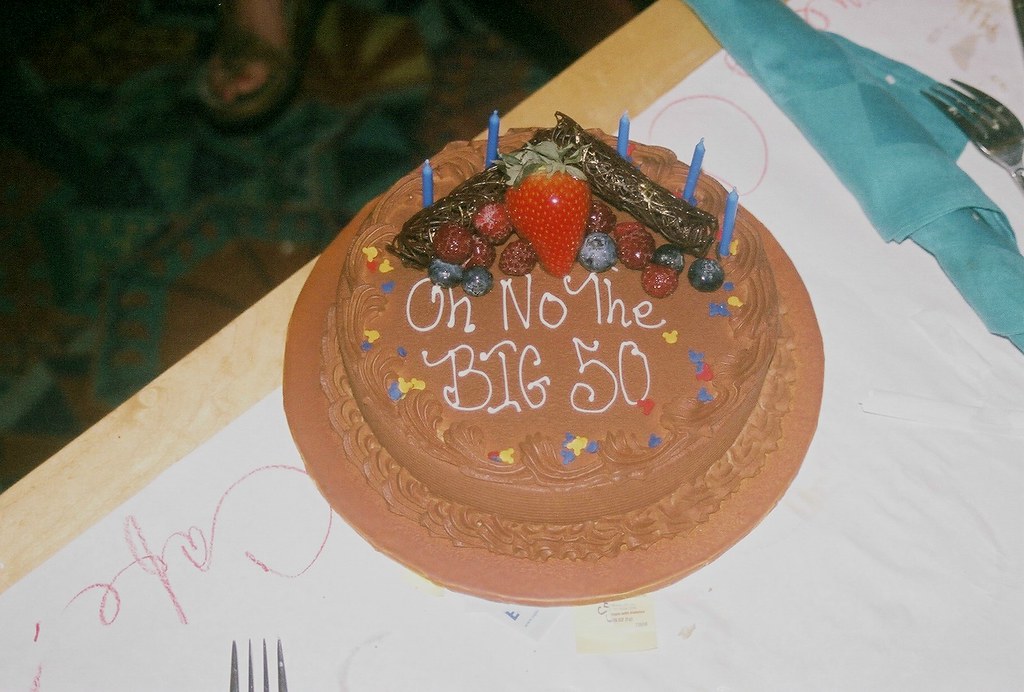
The best partner birthdays aren't the most expensive ones — they're the ones that feel specifically designed around this particular person, rather than a generic "birthday plan" template. That takes a little more thought than booking a restaurant, but not much more effort. Here's a simple approach that works whether you're planning something big or intentionally low-key.
Step 1: Figure out what kind of birthday they actually want
This sounds obvious, but it's the step most people skip, defaulting instead to what they'd want for their own birthday. Some people want a surprise party; plenty of others dread one. Some want to be the center of attention all day; others would rather have one quiet, meaningful moment than a crowd. Pay attention to how they've talked about past birthdays — what they enjoyed, what felt like too much — and plan around that, not around your own preferences.
Step 2: Pick a shape for the day
- The classic celebration. Dinner with close friends or family, built around a restaurant or activity they've mentioned wanting to try.
- The low-key day. No party, just the two of you doing exactly what they'd pick if left alone all day — their favorite breakfast, an unhurried afternoon, their comfort-food dinner.
- The surprise. Works best for people who've explicitly said they'd enjoy one — not as a default assumption. A surprise that goes against someone's actual preferences (loud parties, public attention) can backfire even with good intentions behind it.
- The birthday trip. Even a single overnight somewhere nearby reframes an ordinary birthday into something memorable, without needing a big travel budget.
Step 3: Add one personal, specific touch
This is what separates a birthday that feels thoughtful from one that feels like it followed a checklist. Some ideas:
- Reach out quietly to friends or family for a short video or written message compiled into the Duncan & Stone Birthday Book — it's built specifically as a yearly keepsake with a page per birthday, so what starts as a one-time gift keeps accumulating meaning if you keep it going in future years.
- Recreate a small detail from a birthday they've mentioned loving in the past — a specific cake, a specific song, a specific place.
- Put together a Mixbook photo book of the year you've had together, which works well as a quieter, more sentimental addition to a bigger celebration — its editor makes it realistic to actually finish a full year's worth of photos in one evening instead of half-finishing it and never sending it to print.
- Write a real letter reflecting on the year, separate from a card — this pairs especially well if words of affirmation is one of their love languages (see our love languages guide if you're not sure).
Step 4: Handle the actual logistics early
Book anything time-sensitive (restaurant reservations, activity slots, time off work) at least two to three weeks out — good spots for a specific date fill up faster than you'd expect. If other people are involved (a surprise, coordinated gifts, family attending), start those group threads early too; last-minute coordination is where good birthday plans usually fall apart.
Step 5: Protect the day itself from stress
Ironically, the person planning the birthday is often the one who ends up stressed on the actual day, running logistics instead of enjoying it. Front-load as much as you can — set the table the night before, confirm reservations a day ahead, delegate anything you can to a friend who's in on it. A Brooklyn Candle Studio Love Potion candle and a playlist queued up in advance go a long way toward making an at-home celebration feel intentional without last-minute scrambling — lighting it before your partner walks in does more for the "occasion" feeling than almost anything else on this list, and it costs nothing extra in effort.
A simple gift-matching shortcut
If you're stuck on the actual gift, think in terms of their love language rather than generic birthday-gift lists. A quality-time person will remember an experience longer than an object. A words-of-affirmation person will keep a heartfelt letter longer than almost anything you could buy. Matching the gift format to how they receive love, not just what they're interested in, is what makes a birthday gift feel personal instead of interchangeable with any other year.
Frequently asked questions
What if my partner says they don't want anything for their birthday?
Take it as a starting point, not a final answer. Most people who say this still appreciate some acknowledgment, just not a big fuss, so a low-key personal gesture usually lands better than either ignoring the day or throwing an unwanted party.
How far in advance should I start planning a birthday?
Start the loose planning two to three weeks out, especially if reservations, time off, or coordinating with other people are involved. Good spots and specific dates fill up faster than expected.
Are surprise parties actually a good idea?
Only for partners who've explicitly said they'd enjoy one. A surprise that goes against someone's actual preferences around attention or crowds can backfire even with the best intentions behind it.
What's a meaningful low-budget birthday gift?
Gifts that show specific attention, like a handwritten letter, a photo book of the past year, or recreating a favorite small detail from a birthday they've loved before, tend to be remembered longer than an expensive but generic gift.
How do I avoid being stressed out on the day I'm planning?
Front-load everything you can the day before: confirm reservations, set the table, prep anything that can be prepped. Delegate what you can to a friend who's in on the plan so you're not running logistics during the moment you're supposed to be enjoying.