
How to Plan a Proposal, Step by Step
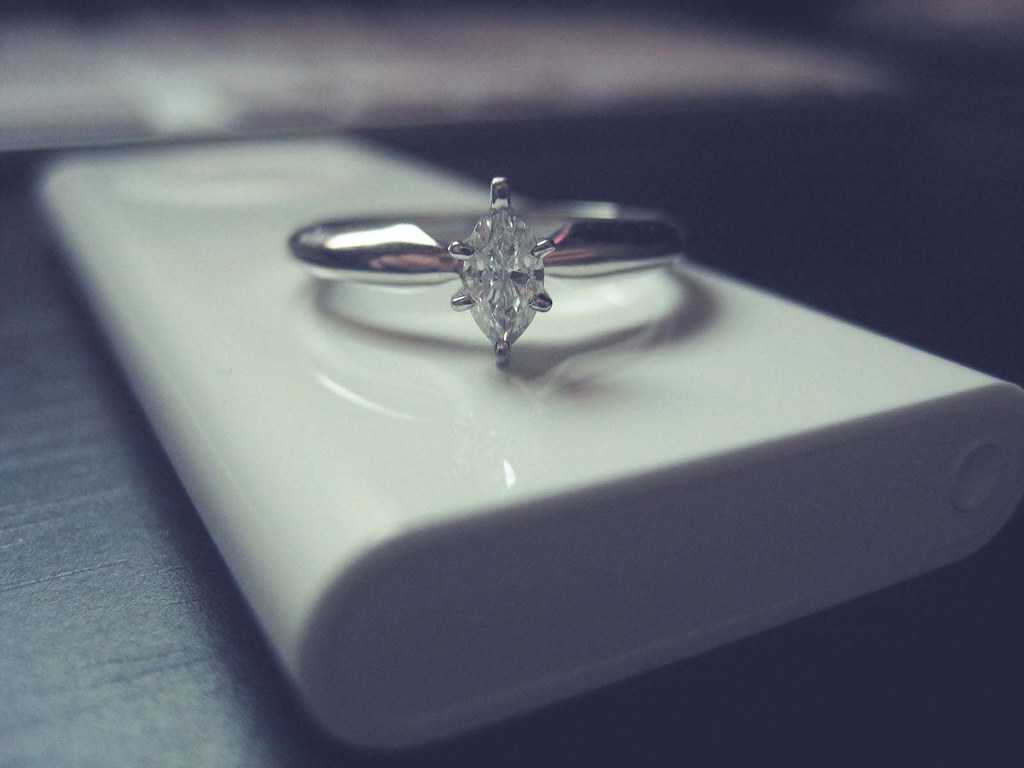
Photo by jessica.diamond, licensed under CC BY-SA 2.0
Planning a proposal is one of those rare projects that combines logistics, secrecy, and enormous emotional stakes all at once, which is exactly why it feels more overwhelming than it needs to. Broken into steps, it's manageable. Here's a full walkthrough from the earliest decisions through the moment itself.
Step 1: Confirm you're actually on the same page about marriage
This sounds obvious, but it's the step people skip most often in pursuit of a "surprise." If you haven't had any real conversation about marriage, timelines, or whether it's something you both want, a surprise proposal is a genuinely risky move — you're asking a huge question without knowing the answer. Most couples who go on to have a smooth proposal have already talked, at least in general terms, about wanting to get married eventually. The surprise should be in the timing and the moment, not in the fact that marriage is on the table at all.
Step 2: Figure out the ring, thoughtfully
If you don't already know your partner's ring size or style preference, there are ways to find out without spoiling the surprise: ask a close friend or sibling of theirs to help, borrow a ring they already own that fits a similar finger and get it sized at a jeweler, or pay attention to what they've pointed out or admired in the past (screenshots, browser history, a Pinterest board are all fair game if you have access). A NIUPIKA ring sizer kit is a low-key way to get a reasonably accurate size without tipping anyone off, especially if you can get them to try it on framed as something else entirely ("does this fit you, I'm returning something for my sister"). It's a 27-piece metal gauge and mandrel set rather than a single plastic ring, so it covers the full range of sizes and gives you a genuinely usable measurement instead of a rough guess — worth the few extra dollars over the cheapest option given how hard ring sizes are to walk back once you've bought the ring.
On budget: there's no rule that a ring needs to cost a specific multiple of your income — that's a marketing idea from the diamond industry, not a financial guideline. Buy what you can genuinely afford, and remember that rings can be upgraded or reset later if finances change.
Step 3: Decide on the setting
The best proposal settings share a few traits: they mean something specific to your relationship, they give you enough privacy to have a real moment without an audience if that's what your partner would want, and they're logistically realistic (weather, access, timing). A few reliable categories:
- A place with history. Where you met, had your first date, or first said "I love you."
- A quiet version of a favorite activity. The hiking trail, the beach, the restaurant you always return to.
- Home. Genuinely underrated — private, low-stress, and lets you control every detail including a home-cooked dinner and music.
- A milestone trip. A vacation you've been planning anyway, timed for a specific evening.
Public, elaborate proposals (flash mobs, stadium jumbotrons) look great on video but only work for partners who genuinely enjoy public attention. If your partner would be mortified by an audience, the most romantic thing you can do is keep it private, no matter how tempting a bigger gesture is.
Step 4: Handle the practical logistics
- Weather and backup plan. Outdoor proposals need a plan B if it rains or the location is unexpectedly crowded.
- Photography. Decide in advance whether you want a hidden photographer, a friend "coincidentally" nearby with a camera, or no documentation at all beyond your own memory. All are valid; just decide on purpose rather than improvising in the moment.
- The ring's hiding spot. Keep it somewhere your partner would never look, and do a final pocket-check before you leave the house that day — more proposals nearly go wrong over a forgotten ring than almost any other detail.
- Music or ambiance. If you're proposing at home, a JBL Flip 7 for a specific playlist can set the mood without needing a venue's sound system. It's the current pick reviewers land on for a compact speaker in this price range — clear enough sound for an intimate indoor moment, but also genuinely waterproof and durable if the proposal ends up being outdoors near water or in unpredictable weather.
- Who else needs to know. Decide who's in on it (a photographer, a restaurant coordinating a reserved table, a friend keeping a location clear) and brief them clearly so nothing slips at the wrong moment.
Step 5: Think about family, if that matters to you both
Traditions vary widely and there's no single right approach, but it's worth having a light conversation in advance (with your partner, if you're comfortable, or independently if you want to preserve the surprise) about whether asking a parent or family member beforehand matters to either of you or your families. Some couples care a lot about this tradition; many don't. Do what fits your actual families, not what you've seen in movies.
Step 6: The moment itself
The advice that shows up most consistently from people who've proposed and been proposed to: slow down more than feels natural. Nerves make people rush through the words, mumble, or skip straight to opening the box. Take a breath, say something specific and genuine about why you want to marry this person (not just "will you marry me" with no lead-in), and let the moment actually land before reaching for a phone to document it. The words matter more than people expect in the moment — and they're the part your partner will replay most afterward.
Step 7: Right after
Have a loose plan for immediately after — a dinner reservation, a call to close family, or simply time alone together before the news goes out to anyone else. Many newly engaged couples say they wished they'd had a few private, unhurried hours together before announcing anything, just to sit with the moment as a couple before it becomes a shared piece of news for everyone else.
A note on nerves
It's completely normal to feel more nervous about this than almost anything else you'll plan together. That nervousness is usually a sign of how much this actually means to you, not a sign that something's wrong. Plan what you can control, accept that a few small things may not go perfectly, and trust that the moment will still mean everything regardless of minor hiccups.
Frequently asked questions
How do I find out my partner's ring size without spoiling the surprise?
Borrow a ring they already own that fits a similar finger and get it sized at a jeweler, ask a close friend or sibling to help discreetly, or use a low-key ring sizer kit framed as something unrelated.
How much should I spend on an engagement ring?
There's no rule that a ring should cost a specific multiple of your income. That idea originated from diamond industry marketing, not any real financial guideline. Buy what you can genuinely afford; rings can be upgraded or reset later.
Should the proposal be public or private?
Base it entirely on your partner's actual personality, not on what looks good on video. A partner who'd be mortified by an audience will find a private proposal far more romantic than an elaborate public one.
What if my partner and I haven't explicitly talked about marriage?
Have that conversation before planning a surprise proposal. Most successful proposals follow at least a general prior conversation about wanting to get married eventually, so the surprise is in the timing, not whether marriage is on the table.
What's the most common proposal mistake?
Rushing the actual moment. Nerves make people mumble through the words or skip straight to the ring. Slowing down and saying something specific and genuine matters more than any setting or logistics.